Breast Augmentation Surgery Silicone Implants - Prof. Dr. İsmail Küçüker - Plastic Surgeon

Breast Augmentation Surgery Silicone Implants

Restore upper pole fullness and optimize your body contours with premium FDA-approved silicone gel implants. Explore submuscular vs. subglandular plans with Prof. Dr. İsmail Küçüker....

Breast Augmentation Surgery (Silicone Breast Implants & Dual-Plane Enhancement)

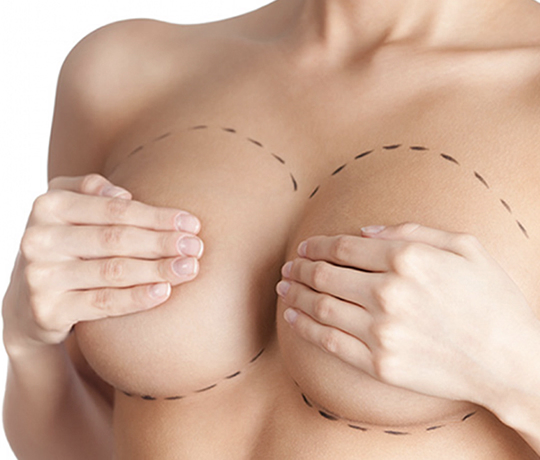
Key Facts About Breast Augmentation: Breast augmentation surgery (augmentation mammoplasty) is a transformative surgical procedure designed to enhance breast volume, project upper-pole fullness, and restore symmetry using FDA-approved cohesive silicone gel implants. Performed under general anesthesia at our Istanbul clinic by Prof. Dr. Ismail Kucuker, advanced Dual-Plane and subfascial placement techniques deliver natural cleavage and lifelong soft contour through concealed inframammary micro-incisions without compromising lactation.

Duration 1–2 Hours
Anesthesia General
Stay 1 Night
Recovery 5–7 Days
✦ Who Is It Ideal For? Women experiencing congenital micromastia (small breasts), post-pregnancy upper-pole volume deflation, asymmetry, or those seeking proportionate body curves in line with golden ratio aesthetics.
✦ Dual-Plane Natural Tissue Protection: The upper portion of the silicone implant is cushioned under the pectoral muscle to eliminate artificial edges and visible rippling, while mammary gland preservation keeps breastfeeding completely viable.

Breast augmentation surgery, clinically known as augmentation mammoplasty, is a premier aesthetic procedure designed to enhance breast projection, optimize volume, and correct structural asymmetries using FDA-approved cohesive silicone gel implants or autologous fat transfer.

Far beyond simply enlarging breast dimensions, the procedure restores harmonious geometric proportions between the shoulders, waist, and hips, balancing the overall feminine silhouette.

At our Istanbul clinic, Prof. Dr. Ismail Kucuker designs each augmentation strategy following comprehensive thoracic base measurements, tissue elasticity evaluations, and individual lifestyle goals.

Clinical Indications for Breast Augmentation

Patients seeking breast augmentation generally fall into two primary anatomical categories:

✦ Congenital Volume Deficiency: Women whose breast tissue remained underdeveloped during puberty, requiring base expansion and projection to match thoracic dimensions.
✦ Post-Pregnancy or Weight Loss Involution: Breasts that have lost upper-pole fullness and firmness following nursing or significant weight reduction, where implant placement can also be combined with mastopexy (lifting) if ptosis is present.
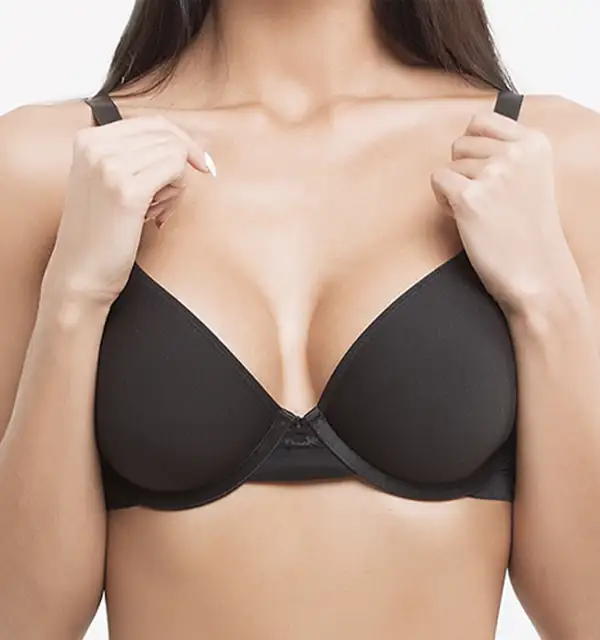
Prof. Dr. Ismail Kucuker Clinic Istanbul Breast Augmentation Surgery Silicone Implants

Surgical Planning: Dual-Plane (Submuscular) vs. Subglandular Placement

Selecting the anatomical pocket for implant placement depends directly on the patient's existing upper-pole soft tissue thickness (pinch test evaluation):

✦ Dual-Plane (Submuscular) Pocket: The gold standard for patients with thin soft tissue coverage. The upper pole of the implant is nestled beneath the pectoralis major muscle, concealing implant borders and virtually eliminating the risk of visible rippling.
✦ Subglandular / Subfascial Pocket: Positioned directly beneath glandular tissue or over the muscle fascia, ideal for patients with at least 2 cm of native breast tissue coverage, allowing swift and comfortable recovery.

Incisions and Discreet Scar Management

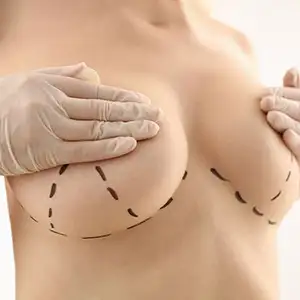
In primary breast augmentation, micro-incisions of approximately 3.5 to 4 cm are placed precisely within the inframammary fold (the natural crease beneath the breast). Nestled in the anatomical shadow of the lower pole, the scar remains virtually undetectable from upright angles and matures into a faint, skin-toned line over time.

Frequently Asked Questions About Breast Augmentation

✦ Can cohesive silicone breast implants leak or burst?
Modern cohesive silicone gel implants possess form-memory technology. Even if sliced or punctured, the internal gel retains its shape without leaking or migrating into surrounding tissues. Physical pressure or non-penetrating trauma will not rupture the implant.
✦ Will breast implants interfere with future breastfeeding?
No. Because implants are positioned in submuscular (Dual-Plane) or subfascial pockets deep beneath the glandular matrix and milk ducts, lactational pathways and milk supply remain entirely unaffected.
✦ What is the difference between round and anatomical (teardrop) implants?
Round implants provide greater upper-pole cleavage and push-up fullness, while anatomical teardrop implants offer a gently sloping upper contour that mimics native breast anatomy.
✦ Do silicone implants increase the risk of breast cancer or hinder mammograms?
FDA clinical trials confirm cohesive silicone implants do not cause breast cancer. Skilled radiologists performing Eklund displacement views can easily conduct comprehensive mammographic and ultrasound examinations.
PATIENT CARE & CLINICAL GOVERNANCE

Patient Rights, Feedback & Continuous Care

At Prof. Dr. İsmail Küçüker Clinic, we uphold patient safety, ethical healthcare standards, and transparent communication. You are welcomed to share your inquiries, suggestions, or complaints directly with our medical board.

Clinical Excellence & Patient Experience

Discover the comprehensive patient journey and consultation standards at Prof. Dr. İsmail Küçüker Clinic.

Medical Notice: The medical information, surgical recovery outlines, and treatment descriptions presented on this website are intended strictly for educational and informational purposes. They do not constitute formal medical diagnosis, individualized healthcare advice, or surgical guarantees. Final candidacy and custom surgical planning are determined exclusively during an in-person clinical consultation with a board-certified plastic surgeon.